Online gambling sites are not designed to be fair games of chance. They are built by teams of behavioral designers who study how the human brain responds to risk, reward, and near-loss. Every sound, color, and timer on a gambling site is tested for one outcome: keeping you playing longer than you planned.
This article breaks down the specific tricks these platforms use, what the research actually shows about them, and how to recognize the patterns before they cost you money you didn’t intend to spend.
How do online gambling sites get you hooked?
Gambling sites hook players by triggering a brain chemical called dopamine on a random, unpredictable schedule. This is the same mechanism that makes slot machines addictive in physical casinos. The unpredictability, not the size of the win, is what keeps players pulling the lever.
Behavioral psychologist B.F. Skinner identified this pattern decades ago through his work on variable ratio reinforcement. He found that rewards delivered on an unpredictable schedule produce stronger, longer-lasting behavior than rewards delivered consistently. Online gambling platforms apply this exact principle to every spin, hand, and bet.
The difference between a physical slot machine and an online gambling site is speed and access. A casino floor closes. An app on your phone does not. Online platforms remove the natural breaks, like walking to a cashier or driving home, that used to interrupt a gambling session.
This constant availability is paired with design choices that reduce friction at every step. Deposits take seconds. Withdrawals often take days. That asymmetry is intentional, not an oversight.
What psychological tricks do gambling sites use?
Gambling sites use a specific set of design tricks: near-miss displays, losses disguised as wins, time-limited bonuses, autoplay defaults, and escalating stake suggestions. Each one is built to extend a session or increase the size of a bet.
Here is how each tactic works in practice.
1. The near-miss effect. Slot games are programmed to show losing combinations that land one symbol away from a jackpot far more often than random chance would produce. Researchers at the University of British Columbia found that near-misses activate the same brain regions as actual wins, which makes players feel like they are close to a payout even when they are not.
2. Losses disguised as wins (LDWs). A player bets 100 credits across 20 paylines, wins on two of them for a total of 40 credits, and loses 60 credits overall. The machine still plays a celebratory sound and animation. Studies on slot machine sound design have shown that LDWs are processed by players as wins, not losses, despite the net result.
3. Time-limited bonus offers. A countdown timer next to a deposit bonus creates urgency that overrides careful decision-making. The timer itself often has no real backend deadline. It resets or reappears once the session ends, but the pressure it creates in the moment is real.
4. Autoplay and quick-spin defaults. Most slot interfaces default to autoplay or a fast-spin speed that removes the natural pause between rounds. Removing that pause removes the moment where a player might otherwise stop and check their balance.
5. Escalating stake suggestions. After a small win, the interface frequently suggests increasing the next bet size, framed as “maximizing” the win streak. This nudges average bet size upward over a session without the player making a deliberate choice to bet more.
6. Gamified loyalty tiers. Points, badges, and VIP levels reframe gambling losses as progress toward a status reward. A player chasing a loyalty tier is optimizing for a badge, not tracking their actual losses.
How do mobile gambling apps target you specifically?
Mobile gambling apps combine the same psychological tricks used on desktop sites with location, timing, and behavior data collected directly from your phone. This lets operators send personalized prompts at the exact moments a player is statistically most likely to deposit.
Push notifications are timed around payday cycles, late-night hours, and sporting events, since internal operator data consistently shows deposit spikes during these windows. A notification reading “your bonus expires in 2 hours” arriving at 11 p.m. on a Friday is not a coincidence; it is scheduled.
VIP host programs add a human layer to this targeting. Larger gambling operators assign dedicated account managers to high-spending players, who reach out personally after a losing session with a “comeback” bonus or a check-in call. Internal industry training materials and several investigative reports on VIP gambling programs describe this outreach explicitly as a retention tool aimed at players showing signs of chasing losses, not a customer-service gesture.
Loss-chasing data is also used to adjust which games get recommended next. A player who just lost on a high-volatility slot is frequently shown a “similar games” carousel built from titles with comparable volatility, rather than lower-risk alternatives, because the recommendation engine is optimized for continued play, not for player protection.
Geolocation tracking, required for legal compliance in regulated markets, doubles as a tool to confirm a player is in a jurisdiction where larger bonus offers or higher betting limits can legally be shown to them.
How can you protect yourself from these tricks?
Protecting yourself from gambling site design tricks comes down to removing the decision points the platform relies on. Setting limits before a session starts, rather than during one, is the single most effective change a player can make.
- Set a deposit limit through your account settings before you start playing, not after a losing streak. Most licensed platforms offer this tool directly in account settings, and UK and EU operators are required to provide it.
- Turn off autoplay and quick-spin features manually. Even where these are not banned by law, they are almost always on by default and can be switched off in game settings.
- Treat every bonus offer as a wagering requirement, not a balance. Read the minimum playthrough multiplier before opting in, since a 30x or 40x requirement on a deposit bonus can turn a small offer into hours of required betting.
- Use a fixed time limit, not a fixed win target. Studies on player self-control consistently find that time-based stopping rules are followed more reliably than profit-based ones, since a profit target keeps shifting upward after each win.
- Block transactions at the bank level if a session feels hard to stop. Several major banks in the UK, Canada, and parts of the US now offer a gambling transaction block that can be activated in minutes through a banking app, separate from any tool the gambling site itself provides.
- Register with a self-exclusion service if you need a harder stop. GAMSTOP in the UK and the National Council on Problem Gambling’s self-exclusion directory in the US allow a player to be blocked from licensed operators for a set period.
- Mute notifications from gambling apps rather than just dismissing them. Dismissing a notification still logs an engagement event that can trigger more frequent prompts; muting prevents the prompt from reaching you at all.
What does the data say about these tactics?
Independent research consistently shows that gambling design features increase time on device and total amount wagered, not just player enjoyment. Regulators in several countries have started requiring operators to disclose or limit specific mechanics.
The UK Gambling Commission’s research on online product design found that faster game speeds and reduced time between bets were directly linked to higher rates of problem gambling indicators among players. In response, the Commission introduced rules in 2021 requiring a minimum 2.5-second spin speed and banning autoplay features on online slots in Great Britain.
A 2021 study published in the journal Addiction analyzed real account data from a major online gambling operator and found that players using autoplay and quick-spin features showed significantly higher loss rates per session compared to players using manual spin controls.
Sweden’s gambling regulator, Spelinspektionen, has similarly restricted bonus structures, requiring that deposit limits be easy to set and difficult for operators to circumvent through follow-up offers.
These findings matter because they show the tricks are not incidental. They are measurable design choices with measurable effects on spending, and regulators have responded by banning specific mechanics rather than issuing general warnings.
| Tactic | What it does | Regulatory response |
|---|---|---|
| Near-miss displays | Triggers reward-circuit activity without a payout | Limited disclosure requirements in some jurisdictions |
| Loss disguised as win | Masks net losses with win-style sound and animation | Flagged by UK Gambling Commission research |
| Autoplay / quick spin | Removes natural decision pauses | Banned for online slots in Great Britain (2021) |
| Time-limited bonuses | Creates artificial urgency | Deposit-limit rules in Sweden, Germany |
| Escalating stake prompts | Nudges average bet size upward | Under review in several EU markets |
Common myths about online gambling sites
A lot of player decision-making rests on myths the gambling industry has never been in a rush to correct. Clearing these up changes how a session actually gets played.
Myth: “The site is due for a win after a losing streak.” Each spin or hand on a properly licensed digital game is an independent event. Past results have no bearing on the next outcome. This belief, known as the gambler’s fallacy, is one of the most consistently studied errors in behavioral economics.
Myth: “Free spins and bonuses are free money.” Bonus funds almost always come with wagering requirements, meaning the bonus amount must be bet multiple times before any winnings can be withdrawn. A 20 dollar bonus with a 30x wagering requirement means placing 600 dollars in total bets before a single dollar is withdrawable.
Myth: “Higher-volatility games pay out the same in the long run.” Volatility affects the pattern of wins, not just their size. Higher-volatility games concentrate payouts into rare, large wins, which extends the average losing streak length between them, increasing the chance a player stops playing before a payout arrives.
Myth: “Self-exclusion tools don’t really work.” Self-exclusion programs like GAMSTOP in the UK or the National Council on Problem Gambling’s self-exclusion lists in the US have been independently studied and shown to reduce gambling activity among enrolled participants, particularly when combined with bank-level transaction blocking.
Myth: “Online gambling sites are basically the same as a casino game on TV or a casual mobile game.” Real-money online gambling platforms operate under licensing requirements specifically because money changes hands. A casual game with no monetary stakes does not carry the same regulatory or psychological risk profile.
Do these same tricks show up in video games?
Yes. Loot boxes and randomized in-game item drops use the same variable-reward structure as slot machines, which is why several countries now regulate them separately from standard video game purchases. The packaging is different, but the underlying mechanic is the same unpredictable reinforcement schedule.
Belgium’s Gaming Commission ruled in 2018 that paid loot boxes in games qualify as gambling under national law, since players pay real money for a randomized outcome they cannot control. The Netherlands’ gambling regulator reached a similar conclusion the same year for loot boxes that could be exchanged for tradeable items with real-world value.
The connection goes further with “skin gambling,” where in-game cosmetic items from titles with active trading markets are wagered on third-party betting sites, often without any age verification. Multiple class-action lawsuits filed in the US between 2016 and 2018 targeted these unlicensed skin-betting sites directly, arguing they operated as unregulated casinos aimed at a largely underage player base.
This overlap matters for anyone evaluating a game’s monetization model, not just for gambling-site visitors. A loot box system with a low drop rate for top-tier items, a near-miss display showing “so close” outcomes, and a countdown timer on a discounted bundle is using the identical design playbook covered in this article, just inside a game rather than a casino app.
Frequently asked questions
Are online gambling sites rigged? Licensed gambling sites are required to use certified random number generators, so individual outcomes are not rigged. The design of the interface around those outcomes, however, is deliberately built to extend play time and increase total spending.
Why do I keep losing money even when I win? Many slot interfaces display partial-line wins as celebratory events even when the total bet exceeds the total payout for that round. This makes a net loss feel like a win, which is a documented design pattern called a loss disguised as a win.
Can I tell if a gambling site uses manipulative design? Look for autoplay defaults, countdown bonus timers, escalating bet suggestions after wins, and slow or multi-day withdrawal processing compared to instant deposits. These are common markers of aggressive retention design.
Do deposit limits actually help? Yes. Independent studies on self-imposed deposit and time limits show they reduce total wagering when set before a session begins, rather than adjusted mid-session.
Is it true that near-misses make people gamble more? Yes. Multiple neuroscience studies have found that near-miss outcomes activate brain reward circuitry similarly to actual wins, which has been linked to longer play sessions in laboratory settings.
What’s the difference between a casino bonus and free money? A casino bonus comes attached to wagering requirements that must be cleared before withdrawal. It functions as an incentive to keep playing, not as withdrawable cash.
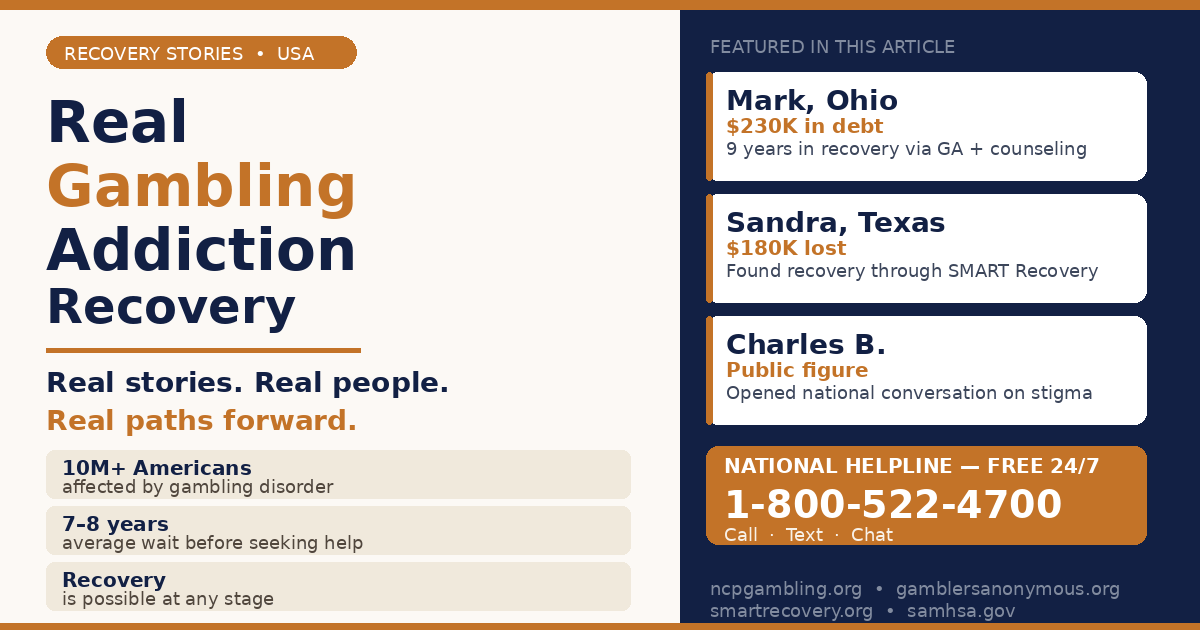
Where can someone get help if gambling feels out of control? The National Council on Problem Gambling operates a free, confidential helpline at 1-800-522-4700, available 24/7 in the US. GamCare offers similar free support in the UK.
Are loot boxes in video games legally considered gambling? In some countries, yes. Belgium and the Netherlands have ruled that paid loot boxes with randomized, real-money outcomes qualify as gambling under existing national law, though enforcement and rules vary widely by country.
Why do withdrawals take longer than deposits on gambling sites? Deposits are processed instantly because faster funding increases play time. Withdrawals often require manual identity verification, which operators are not equally motivated to speed up, even though the technology to process both quickly already exists.
The bottom line
Online gambling platforms are engineered environments, not neutral games of chance. Near-misses, disguised losses, countdown bonuses, and autoplay defaults are all measurable design choices with research behind their effect on player spending.
Recognizing these mechanics will not change how a slot’s random number generator works, but it does change how a person reads what is happening on screen during a session. If you set a deposit limit before playing, turn off autoplay, and treat any bonus offer as a wagering requirement rather than free cash, the playing field gets a little more level.
If gambling has started to feel less like entertainment and more like something hard to stop, reaching out to a free resource like the National Council on Problem Gambling. (1-800-522-4700) or GamCare is a reasonable first step, not a last resort.
Uncover new ideas and perspectives—our featured content has something for every reader